Gold has carried more weight in human history than perhaps any other material. Civilizations have measured wealth in it, fought wars over it, and crafted crowns, coins, and jewelry from it. Even now, in an age of digital money and fleeting fads, gold refuses to fade into irrelevance. It clings to its reputation as a safe haven, a gleaming promise of stability when everything else feels shaky.
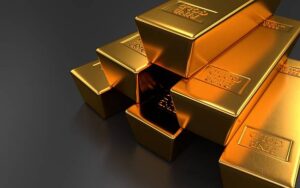
Hold a small piece of gold in your palm. Heavy for its size, warm to the touch, strangely comforting. It doesn’t rust, it doesn’t corrode, and it doesn’t flake away like lesser metals. That stubborn permanence has always fascinated people. Imagine ancient miners chipping away in dark tunnels, risking their lives, driven by the idea that this yellow metal held something more than sparkle. It represented survival, power, and, in many cases, obsession.
Stories of entire rushes spring to mind—waves of hopefuls sprinting across continents with dreams of quick fortunes. Some struck rich veins and built dynasties. Many left empty-handed, pockets filled with dust instead of treasure. There’s a lesson hiding there: gold never guaranteed success, but the possibility of it kept people digging. It’s a reminder that value often lies as much in the chase as in the catch.
Fast forward to today. Gold sits quietly in vaults, stacked in bars, measured in ounces, traded across screens. Central banks guard it like dragons sitting on hoards, knowing its presence calms nervous investors. A single ounce can sway emotions—comfort to some, fear of missing out to others. Unlike stocks or bonds, gold doesn’t promise dividends or interest. Its worth hangs entirely on trust, demand, and that eternal human attraction to things that glitter.
But let’s not pretend it’s only about finance. Gold threads itself into culture and ritual. Wedding rings forged from it symbolize endurance. Religious artifacts shine with it, meant to echo divine light. Even art leans on its glow, with painters layering gold leaf onto canvases to give works a heavenly shimmer. There’s a reason we say “golden moment” or “worth its weight in gold.” Language itself bows to the metal.
Of course, gold is not without quirks. Melt it, reshape it, hammer it thin enough to float on air—still the same element. Its malleability makes it endlessly versatile. Yet, that softness also makes it vulnerable. Pure gold bends easily, which is why jewelers mix it with other metals to make it last longer. Strange paradox: its purity is both strength and weakness.
So what does this shiny substance really offer? For some, it’s financial security. For others, it’s cultural symbolism. And for many, it’s a simple fascination with something beautiful that has outlasted empires, economies, and egos. Gold doesn’t just sit in vaults or around necks—it weaves itself into memory, into story, into the idea of value itself.